
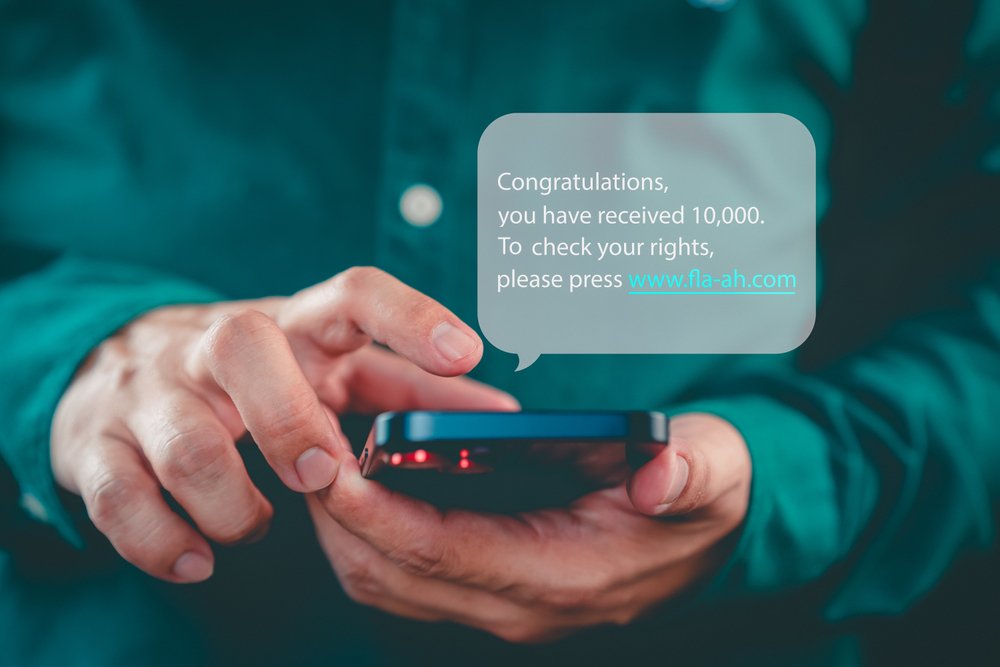
Cybercriminals don’t need sophisticated malware to break through your defenses. Sometimes, all it takes is a cleverly crafted message. From emails to text messages, attackers are becoming masters of deception, using trust and urgency to manipulate victims. Two of the most common tactics used today are smishing and phishing—often confused, but critically different in form and strategy. So, how do these threats actually work? What separates a smishing scam from a phishing one? And what can organizations do to stay ahead of both? Let’s take a closer look at the smishing vs phishing landscape.
Smishing vs Phishing: Know the Difference
Phishing is the broader and more familiar of the two. It typically involves fraudulent emails designed to trick recipients into clicking malicious links, downloading malware, or entering sensitive information on fake websites. These emails often appear to come from trusted sources such as banks, shipping companies, or internal staff.
Smishing, short for SMS phishing, uses text messages as the delivery method. These messages often contain urgent prompts—”Your account has been locked! Click here to verify”—along with malicious links. Because text messages feel more personal and less filtered than email, smishing can be particularly effective.
Both techniques rely on social engineering, and both can cause serious damage, but their delivery channels create different user experiences and detection challenges. While phishing is easier to filter through email security tools, smishing often bypasses technical defenses entirely and lands directly on a user’s mobile device.

Why Smishing vs Phishing Still Matters
Despite growing awareness, these attacks continue to succeed. According to the 2024 Verizon Data Breach Investigations Report, phishing was involved in 36% of breaches, while social engineering incidents have doubled in mobile-first channels like SMS. These scams exploit human nature—curiosity, fear, urgency—which makes technical defenses only part of the equation.
And with the rise of AI-powered phishing kits, cybercriminals can craft more convincing messages at scale. That means even seasoned professionals are falling for highly tailored bait.
Recognizing the Signs of Smishing vs Phishing Attacks
Recognizing a phishing or smishing attempt can make the difference between a minor inconvenience and a major breach. Watch out for: messages with grammar mistakes or suspicious links; prompts to act immediately or provide sensitive information; URLs that look almost, but not quite, like legitimate domains.
Text messages that say things like “Click to verify account access” or “Unusual activity detected on your card” are usually red flags. But remember: no single indicator is foolproof. Threats are constantly evolving, and attackers are getting smarter.
Mitigating the Risks
Prevention starts with education. Frequent awareness training helps individuals spot red flags before it’s too late. But relying on users alone isn’t enough. Organizations must implement multi-layered defenses that detect, isolate, and contain these threats.
Email filters and mobile device management (MDM) systems are useful, but they must be paired with proactive cybersecurity services that monitor behavior, flag anomalies, and provide real-time protection. A good cybersecurity partner won’t just help set up defenses; they’ll evolve those defenses as attackers do.
For instance, phishing-resistant multi-factor authentication (MFA) can prevent stolen credentials from being used, even if a user is tricked. Real-time threat analysis tools can help organizations detect and prevent data breaches stemming from successful smishing or phishing attacks.
The Compliance Factor
Regulations are catching up with the threat landscape. Laws such as GDPR and CCPA don’t just require businesses to protect data; they demand rapid incident response and proof of security controls. Knowing cybersecurity compliance means understanding, for starters, the difference between smishing vs phishing, along with the regulatory requirements and the technical implementations needed to meet them to protect your infrastructure.
Cyberattacks that result in data loss can lead to lawsuits, regulatory fines, and reputational damage. Implementing compliance frameworks not only keeps organizations out of legal trouble but also strengthens their security posture overall.

Protecting People and Infrastructure
Smishing and phishing may exploit individuals, but it’s often the broader systems that attackers are after. That’s why investing in security audits, secure infrastructure design, and mobile endpoint protection is crucial.
It also means building awareness across departments, not just IT. Every employee should be part of the defense strategy, starting with awareness training on the distinction between smishing vs phishing and how to circumvent them. IT leaders must focus on understanding network infrastructure to segment critical systems and monitor cross-channel traffic for suspicious behavior.
As attacks become more personalized and complex, automated detection tools, strong authentication, and adaptive response plans become essential to staying ahead. Cybersecurity is no longer just a technical challenge—it’s a business imperative.
Turn Awareness Into Action
Phishing and smishing continue to evolve, targeting businesses where they’re weakest: their people. Recognizing the nuances between these scams is the first step. But what happens next depends on the systems and strategies you have in place.
At Digital Uppercut, we help businesses secure their infrastructure, train their teams, and build multi-layered defenses that adapt to tomorrow’s threats. Our experience across industries enables us to provide customized, scalable solutions that protect against even the most sophisticated attacks.
Don’t wait for an attack to highlight your vulnerabilities. Explore our services and start building your defense today.