
A smart device sends data to the cloud, waits for processing, and then responds to the user. In most cases, the delay is negligible. But what happens when milliseconds matter? From autonomous vehicles to real-time fraud detection, timing is everything—and that’s where edge computing steps in. As businesses adopt digital infrastructure, one critical question is gaining traction: edge computing vs cloud computing—which is right for your operations?
The answer depends on several variables: speed, scalability, security, and the nature of your data. Let’s explore the core differences between these two models and when each makes the most sense.
Defining Edge vs Cloud Computing
Cloud computing involves processing data in centralized data centers, often located far from the device collecting the information. It excels in scalability, data storage, and heavy-duty computational tasks. Think of platforms like AWS, Microsoft Azure, or Google Cloud that manage vast workloads for everything from eCommerce platforms to enterprise resource planning systems.
On the other hand, Edge computing processes data closer to the source—literally on the “edge” of the network. This could be a sensor in a factory, a smart camera in a retail store, or an IoT device in a delivery truck. Instead of sending raw data to the cloud, edge devices analyze and respond locally, then transmit only necessary data to the cloud for long-term storage or further analysis.
Speed and Latency: The Edge Advantage
When latency is a concern, edge computing offers a clear benefit. A self-driving car can’t wait for a signal to bounce off a distant server to make a life-saving decision. It needs real-time data processing, which only edge computing can provide.
Retailers are using edge devices to monitor foot traffic and adjust store layouts on the fly. Manufacturers use it for predictive maintenance, spotting anomalies in machine behavior before they cause downtime. These examples highlight why edge computing is often the go-to solution for time-sensitive operations.
Cloud computing, while not as immediate, is no slouch in performance. For most business applications—CRM systems, email, data warehousing—cloud latency is low enough to be practically invisible. The tradeoff for slightly slower response time is massive computational power and scalability.
Scalability and Storage: Cloud Still Leads
Edge computing excels at responsiveness but can be limited in resources. Edge devices generally have less processing power and storage capacity than centralized cloud servers. As such, edge computing works best when combined with cloud computing services in a hybrid setup.
Cloud platforms are built for scale. Whether it’s expanding storage or adding new features, cloud environments grow effortlessly. Companies can scale up during peak seasons and scale down during off-hours without investing in physical hardware.
Moreover, cloud environments serve as centralized repositories for analytics and compliance records. This structure simplifies audits and long-term data management, especially for industries that need a HIPAA assessment or are bound by website privacy laws.
Security Considerations: Cloud vs Edge Computing
Security is a critical differentiator in the edge computing vs cloud computing debate. Edge devices are inherently more exposed to physical tampering, unauthorized access, and device-specific vulnerabilities. However, processing data locally can reduce the volume of sensitive information transmitted over networks, potentially reducing exposure.
Cloud computing provides robust, centralized security protocols, including encryption, authentication, and 24/7 monitoring. But centralized systems also present high-value targets. When attackers successfully breach a cloud environment, the payoff can be enormous.
This is why an SIEM is critical to your cybersecurity framework. Security Information and Event Management tools help monitor and correlate activity across edge and cloud environments, giving businesses a unified security posture.
In many cases, the best defense is a layered one. Managed IT services can design hybrid solutions that detect and prevent data breaches, implement proactive cybersecurity services, and tailor risk mitigation strategies for both edge and cloud components.
Use Case: Smart Surveillance Systems
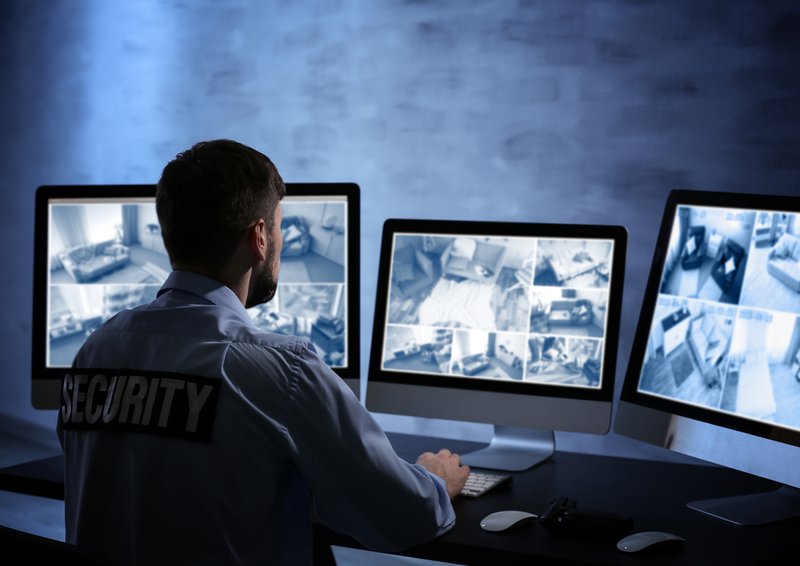
Let’s take a practical scenario: a chain of convenience stores using smart surveillance cameras. Edge computing allows these cameras to process video locally, instantly detecting suspicious behavior. Only flagged footage is sent to the cloud for long-term storage or centralized analysis.
This hybrid model optimizes bandwidth, preserves privacy, and responds in real-time. It also simplifies compliance. For example, storing video data in the cloud with encryption ensures alignment with privacy laws. Meanwhile, local edge processing avoids unnecessary transmission of sensitive customer data.
Compliance and Regulatory Considerations
Compliance frameworks shape how businesses handle data across both cloud and edge environments. Whether it’s healthcare, finance, or retail, cybersecurity compliance becomes crucial when dealing with sensitive information.
Cloud environments often make it easier to automate compliance reporting and documentation. However, edge devices must also be compliant, particularly when processing regulated data. Ensuring consistent policies across all endpoints requires routine security audits and a clear governance model.
This is why your business needs cybersecurity compliance built into every architectural decision. Aligning infrastructure with industry regulations protects not just data but also the organization’s reputation and financial standing.
When to Use Edge vs Cloud Computing — or Both
Choosing between edge and cloud computing isn’t always a binary decision. Often, the most effective strategy is to use both. Edge computing handles real-time decision-making at the device level, while cloud computing provides centralized analytics, storage, and compliance oversight.
A logistics company may rely on edge computing for vehicle tracking and sensor data analysis during transit, then push all data to the cloud for route optimization and business intelligence. Similarly, a healthcare provider might use edge devices to monitor patient vitals in real time while storing records in the cloud for HIPAA-compliant archiving.
Hybrid architectures offer flexibility, speed, and control. With the right configuration, businesses can maximize both performance and protection.
Bringing It All Together
The decision between edge computing and cloud computing ultimately comes down to business goals, operational needs, and risk tolerance. Edge computing delivers speed and immediacy, ideal for environments where seconds matter. Cloud computing brings scale, collaboration, and long-term data management.
At Digital Uppercut, we help organizations develop infrastructure strategies that align with performance needs and security requirements. Our experts design hybrid environments, conduct security audits, and offer the best IT support services in Los Angeles to ensure your systems are responsive, secure, and scalable.
Contact us today to learn more about our services and how we can help you create architecture that offers the best of both worlds.